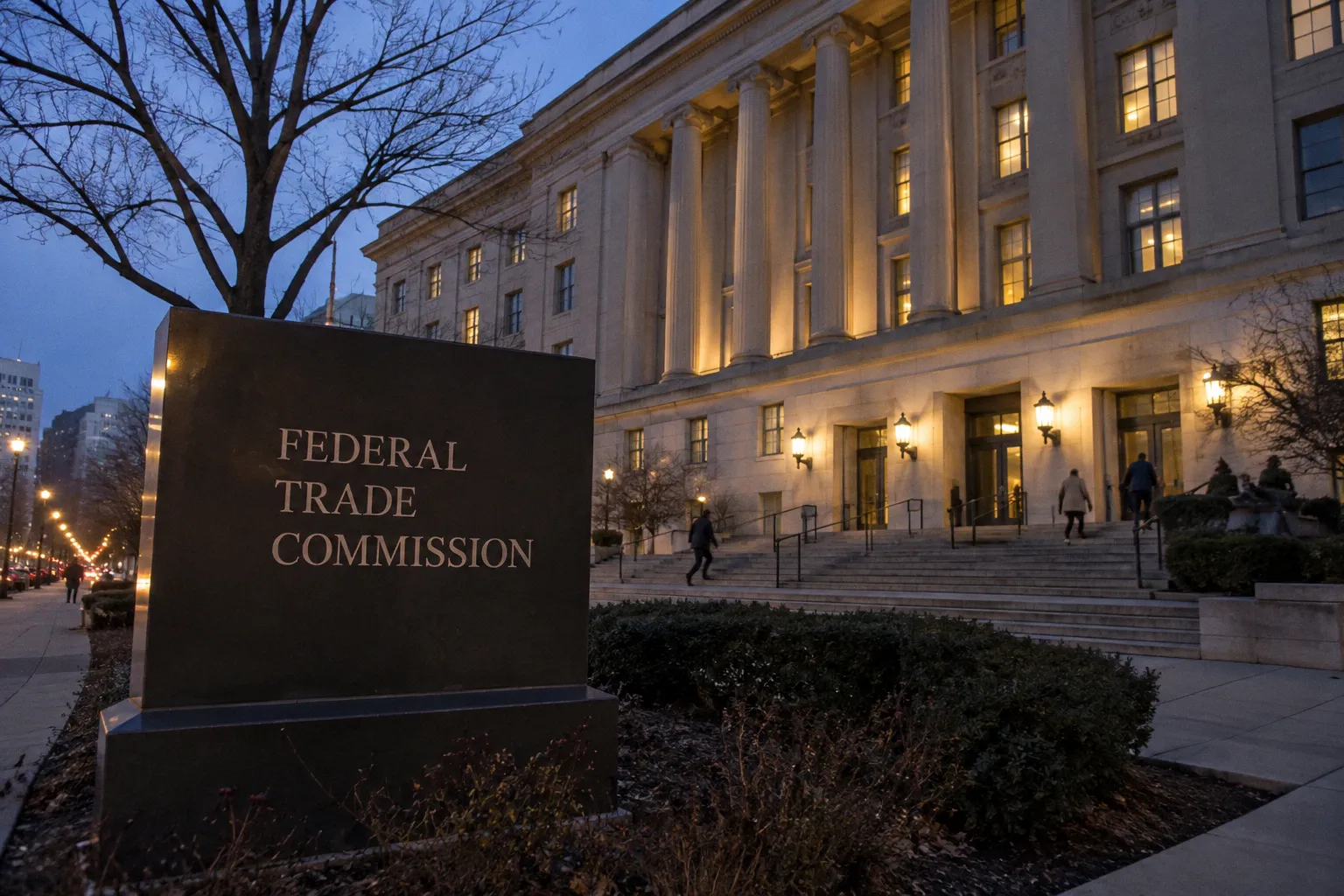
Payment processor Humboldt Merchant Services has been permanently barred from handling transactions for high-risk merchants under a Federal Trade Commission settlement, following allegations that its infrastructure knowingly enabled fraudulent merchant operations. For professionals managing procurement and disbursement in ocular biobanking, this enforcement action underscores the critical necessity of vetting payment partners for stringent compliance protocols, as systemic failures in financial intermediaries can disrupt entire logistics chains.
A $12 Million Precedent in Compliance Failure
The agency’s case centered on allegations that Humboldt’s systems were used by “sham merchants” to defraud consumers. This resolution isn’t merely a fine; it’s a structural injunction. For research logistics, where transactional integrity is paramount, this highlights a severe due diligence gap. A payment processor’s failure to screen its merchant portfolio represents a critical single point of failure, potentially exposing affiliated institutions to reputational and financial contagion, even if they are downstream victims of the fraud.
Operational Implications for Research Logistics Channels
The core issue here is risk categorization and throughput. Humboldt allegedly processed payments for merchants in high-risk categories without adequate safeguards. In the context of procuring biospecimens or coordinating specialized services, payment channels are part of the cold chain—a delayed or frozen transaction due to a processor’s legal collapse can halt tissue procurement timelines. This incident acts as a case study in procurement latency caused by vendor instability. It mandates that biobanking operations audit not only their direct suppliers but also the secondary financial infrastructure they depend on, assessing the processor’s own risk segmentation and fraud mitigation systems.
Forward Protocol: Auditing the Financial Stack
The takeaway is a procedural one. This enforcement action should trigger a review of payment gateway architectures within research support functions. The requirement is to map dependencies: does your institution’s payment flow to specimen couriers, reagent suppliers, or bioinformatics service vendors rely on processors with lax merchant vetting? The FTC’s permanent ban on Humboldt from high-risk merchant categories is a stark regulatory signal. For data strategists and logistics managers, the actionable step is to incorporate payment processor compliance history and risk-tier management into vendor qualification protocols, treating financial infrastructure with the same rigor as temperature-controlled shipping or IRB approvals.